Foot or ankle pain can negatively affect your day-to-day life and can occur due to several different conditions. Pain can also be an indicator of a more serious underlying condition, which is why you should seek professional help as soon as you notice any abnormalities in your feet.
Properly fitting shoes can make a major difference in everyday foot comfort. Shoes that are too tight may squeeze the toes and create pressure points, while shoes that are too loose can allow excessive movement inside the shoe. Wearing the wrong size regularly may contribute to blisters, corns, and painful foot problems. A good shoe should feel comfortable from the beginning and provide enough room for the toes to move naturally. The heel should stay secure without rubbing. The arch area should feel supported without creating uncomfortable pressure. Choosing the right shoe size is especially important if you already experience foot pain or have a condition that changes your foot shape.
Start by tracing your foot on a piece of paper while standing. Measure the length and width of the outline to help determine your shoe size. Measure both feet because one foot may be larger than the other. Shop for shoes in the afternoon rather than at night, because feet often become larger during the day. Wear the type of socks you normally use with the shoes. Try on both shoes and walk around the store before buying them. Do not assume shoes will stretch enough to become comfortable later.
Wearing improperly sized shoes can contribute to several foot conditions. Wearing tight shoes may increase pressure that contributes to bunion, hammertoe, and ingrown toenail pain. A podiatrist can examine your feet and identify problems related to footwear. Treatment may include addressing pressure areas, recommending supportive shoes, and treating irritation or inflammation. If pain is persistent, the podiatrist may use imaging tests to evaluate underlying bone or joint concerns.
The right shoes should support your feet without restricting natural movement. Pay attention to new discomfort rather than waiting for a small problem to become severe. If you have foot conditions from wearing the wrong size shoes, it is suggested that you consult a podiatrist for effective treatment solutions and guidance on how to choose the right shoes.
Finding a properly-fitting shoe is important in reducing injuries and preventing foot problems. For more information about treatment, contact one of our podiatrists from Montgomery Foot Care Specialists. our doctors will treat your foot and ankle needs.
Proper Shoe Fitting
A common concern when it comes to foot health, having properly fitted shoes can help prevent injuries to the foot. Out feet affect our posture and gait, which in turn affects the biomechanics and overall bodily structure. With 33 joints, 26 bones, and over 100 ligaments, the potential for serious injury is much greater than one realizes. Although the feet cease growth in adulthood, they still change shape as they mature. Here are some factors to consider when it comes to investing in proper fitting shoes:
Be sure the shoes fit correctly right away
Ensure the ball of your foot fits comfortably in the widest portion of the shoes
Even though they may look fashionable, improper fitting shoes can either create adverse conditions or exacerbate existing ones you may already have
Walk along a carpeted surface to ensure the shoes comfortably fit during normal activity
Keeping in mind how shoes fit the biomechanics of your body, properly-fitting shoes are vitally important. Fortunately, it is not difficult to acquire footwear that fits correctly. Be sure to wear shoes that support the overall structure of your body. Do your feet a favor and invest in several pairs of well-fitted shoes today.
If you have any questions, please feel free to contact our office located in Montgomery, AL. We offer the newest diagnostic and treatment technologies for all your foot care needs.
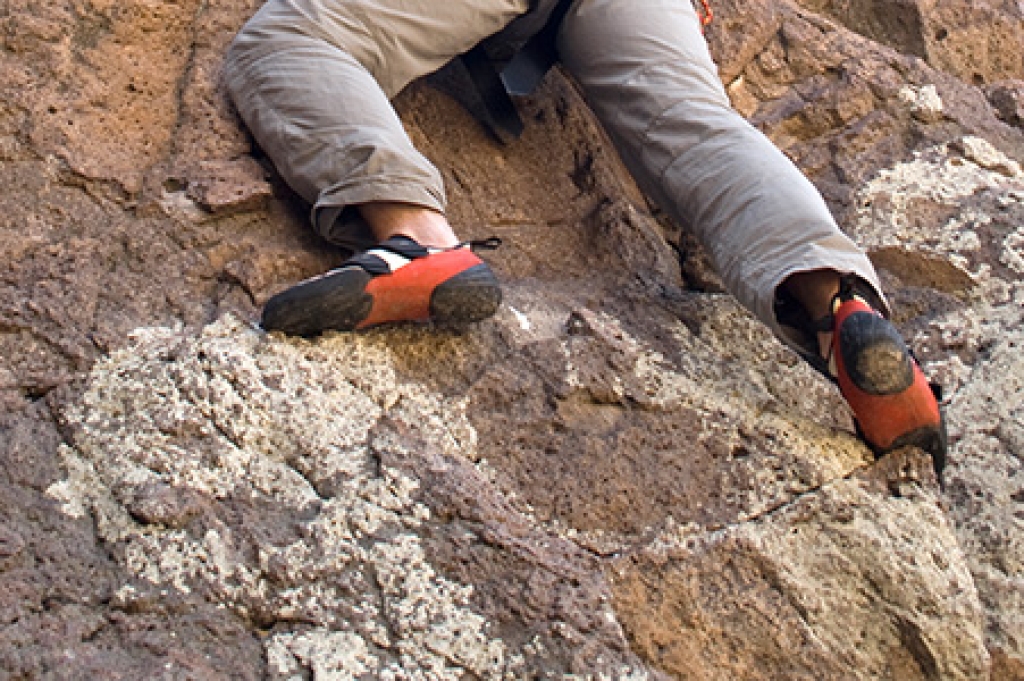
Rock climbing is an athletic activity that involves moving up natural rock formations or indoor climbing walls using strength, balance, and precise foot placement. Because the sport requires tight-fitting footwear and repeated pressure on the forefoot, wearing poorly fitted or inappropriate shoes can lead to several foot-related injuries. Common conditions include Achilles tendinopathy, which causes pain and stiffness along the back of the heel and Haglund's deformity that produces irritation near the heel bone. Hallux valgus, also known as bunions, plantar fasciitis involving inflammation of the heel tissue, and chronic ankle instability from repeated strain are other factors. A podiatrist can evaluate foot structure, treat injuries, and recommend supportive footwear. If climbing-related foot pain develops, it is suggested that you consult a podiatrist who can treat various foot and ankle injuries, helping you to protect foot health and maintain performance.
Foot Pain
Foot pain can be extremely painful and debilitating. If you have a foot pain, consult with one of our podiatrists from Montgomery Foot Care Specialists. our doctors will assess your condition and provide you with quality foot and ankle treatment.
Causes
Foot pain is a very broad condition that could be caused by one or more ailments. The most common include:
Bunions
Hammertoes
Plantar Fasciitis
Bone Spurs
Corns
Tarsal Tunnel Syndrome
Ingrown Toenails
Arthritis (such as Gout, Rheumatoid, and Osteoarthritis)
To figure out the cause of foot pain, podiatrists utilize several different methods. This can range from simple visual inspections and sensation tests to X-rays and MRI scans. Prior medical history, family medical history, and any recent physical traumatic events will all be taken into consideration for a proper diagnosis.
Treatment
Treatment depends upon the cause of the foot pain. Whether it is resting, staying off the foot, or having surgery; podiatrists have a number of treatment options available for foot pain.
If you have any questions, please feel free to contact our office located in Montgomery, AL. We offer the newest diagnostic and treatment technologies for all your foot care needs.
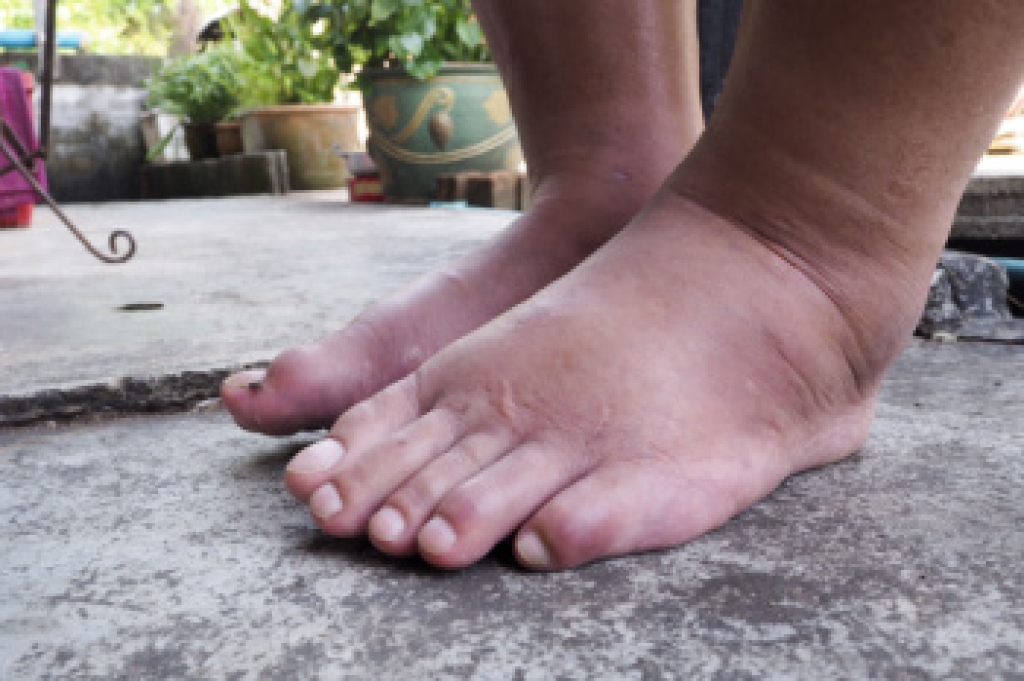
Swelling of the feet can develop when excess fluid collects in the tissues of the feet, ankles, or lower legs. This buildup is called edema. Swelling can affect one or both feet and can sometimes extend into the legs. Gravity can make swelling more noticeable in the lower body, especially after standing for long periods of time. Long airplane flights or car rides can also contribute to swollen feet and ankles. In some cases, swelling follows an injury or surgery involving the foot, ankle, or leg. The area can feel tight, heavy, or uncomfortable.
Several health problems can cause swelling in the feet. Poor circulation in the leg veins can allow fluid to collect in the lower limbs. A blood clot or infection can also cause swelling, particularly when one leg is affected. Swelling can also be connected to problems involving the heart, kidneys, or liver because these conditions can cause excess fluid to remain in the body. Certain medications can contribute to swelling as well. Sudden swelling deserves attention, especially when the foot or leg becomes red or warm. Swelling accompanied by chest pain or shortness of breath requires immediate emergency care.
A podiatrist can examine swollen feet and ankles and look for signs that help identify the cause. The evaluation includes discussing when the swelling began, whether one or both feet are affected, and what other symptoms are present. A podiatrist can assess circulation and examine the skin for changes linked to swelling. Diagnostic testing can also help determine what is causing the problem. Treatment depends on the underlying cause rather than the swelling alone. If your feet or ankles have become swollen, it is suggested that you schedule an appointment with a podiatrist for a diagnosis and appropriate treatment.
Swollen feet can be a sign of an underlying condition. If you have any concerns, contact one of our podiatrists of Montgomery Foot Care Specialists. our doctors can provide the care you need to keep you pain-free and on your feet.
Swollen feet are a common ailment among pregnant women and people who stand or sit for extended periods. Aging may increase the possibility of swollen feet and patients who are obese often notice when their feet are swelling too. There may be medical reasons why swollen feet occur:
Phlebitis - A condition that causes the veins to become inflamed and can also cause leg pain.
Liver disease - This may lead to low blood levels of albumin which is a protein. This can cause fluid in the blood to pass into the tissues and several areas of the body can become swollen.
Heart failure - When the heart doesn’t pump properly the blood that is normally pumped back to the heart can pool in the veins of the legs causing swollen feet.
Kidney disease - One of the main functions of the kidneys is releasing excess fluid in the body. This type of condition can make it difficult for the kidneys to function properly, and as a result the feet may become swollen.
Deep-vein thrombosis (DVT)- This is a serious condition where blood clots form in the veins of the legs. They can block the return of blood from the legs to the heart which may cause the feet to swell. It is important to be treated by a podiatrist if this condition is present.
Swollen feet can also be caused by bone and tendon conditions, including fractures, arthritis, and tendinitis. Additionally, there may be skin and toenail conditions and an infection may cause the feet to swell. Patients who take medicine to treat high blood pressure may be prone to getting swollen feet.
Many patients elevate their feet to help relieve the swelling and this is generally a temporary remedy. When a podiatrist is consulted the reason behind the swelling can be uncovered and subsequently treated.
If you have any questions please contact our office located in Montgomery, AL. We offer the newest diagnostic and treatment technologies for all your foot and ankle needs.
Toe pain can make standing, walking, and other daily activities uncomfortable. Pain can develop after an injury or a change in normal activity. Foot and toe problems can cause pain, stiffness, or swelling. Changes in sensation can also occur. A toe injury can happen after a fall or direct impact. Repeated pressure from certain activities can also irritate the toes. Wearing shoes that do not fit properly can contribute to discomfort by placing added pressure on sensitive areas of the foot.
The location and type of toe pain can provide useful clues about its cause. Pain around the big-toe joint can be related to joint problems or irritation from pressure. Swelling can develop after an injury and make movement difficult. Some patients notice numbness or tingling along with pain. Changes in skin color or temperature can also occur with certain foot problems. Pain can affect the way a person walks, which can place extra stress on other areas of the foot. Persistent symptoms deserve evaluation, especially when pain limits normal movement or becomes more severe.
A podiatrist can evaluate toe pain by examining the painful area and checking how the toes and foot move. The evaluation can include questions about recent injuries, activity changes, and when symptoms began. A podiatrist can also assess shoes to determine whether their fit is contributing to pressure or discomfort. Treatment depends on the cause of the pain and the structures involved. A podiatrist can address problems affecting the joints, nails, or surrounding tissues and recommend treatment that supports comfortable movement. Early evaluation can help prevent a minor problem from becoming more difficult to manage. If you have toe pain, it is suggested that you schedule an appointment with a podiatrist for a diagnosis and appropriate treatment.
Toe pain can disrupt your daily activities. If you have any concerns, contact one of our podiatrists of Montgomery Foot Care Specialists. our doctors can provide the care you need to keep you pain-free and on your feet.
What Causes Toe Pain?
Most severe toe pain is caused due to a sports injury, trauma from dropping something heavy on the toe, or bumping into something rigid. Other problems can develop over time for various reasons.
Toe pain can be caused by one or more ailments. The most common include:
Trauma
Sports injury
Wearing shoes that are too tight
Arthritis
Gout
Corns and calluses
Hammertoe
Bunions
Blisters
Ingrown toenails
Sprains
Fractures (broken bones)
Dislocations
When to See a Podiatrist
Severe pain
Persistent pain that lasts more than a week
Signs of infection
Continued swelling
Pain that prevents walking
Diagnosis
In many cases the cause of toe pain is obvious, but in others, a podiatrist may want to use more advanced methods to determine the problem. These can range from simple visual inspections and sensation tests to X-rays and MRI scans. Prior medical history, family medical history, and any recent physical traumatic events will all be taken into consideration for a proper diagnosis.
Treatment
Treatments for toe pain and injuries vary and may include shoe inserts, padding, taping, medicines, injections, and in some cases, surgery. If you believe that you have broken a toe, please see a podiatrist as soon as possible.
If you have any questions please contact our office located in Montgomery, AL. We offer the newest diagnostic and treatment technologies for all your foot and ankle needs.