
Choosing the Right Running Shoes for Marathon Training

Choosing the right running shoes for a marathon can help protect your feet and keep you comfortable over long distances. The best marathon running shoes fit well, provide suitable cushioning, and hold your feet securely without feeling tight. Shoes that do not match your foot shape or running style may contribute to blisters, heel pain, or soreness around the toes. Since marathon training places repeated stress on your feet, selecting appropriate footwear is an essential part of preparing for race day.

Comfort should be your first priority when trying on running shoes. Look for enough room to wiggle your toes, with a secure fit around the heel and midfoot. Your toes should not press against the front of the shoe, especially when running downhill. Cushioning should feel supportive rather than unstable, while shoe weight should suit your needs and running pace. Try on shoes later in the day, when your feet may be slightly larger, and wear the socks you plan to use during training.


Wearing the wrong running shoes can increase pressure and friction, leading to blisters or painful calluses. Poor support may also aggravate existing problems, including plantar fasciitis, an irritation of the broad band of tissue under the foot. Risk factors include worn-out soles, incorrect sizing, and suddenly increasing mileage. Replace shoes when cushioning or tread shows significant wear, and test new footwear during shorter runs before using it for long-distance training. Avoid choosing shoes based only on appearance or recommendations that do not account for your individual needs.


If foot pain occurs despite changing shoes and adjusting your training, a podiatrist helps identify the cause. The examination may include checking your gait, foot structure, and pressure points. Depending on the findings, treatment may involve footwear changes, custom orthotics, or other appropriate care. Addressing discomfort early helps you train more safely. If running shoes cause persistent foot pain, it is suggested that you consult a podiatrist for effective relief tips and additional guidance on choosing the right running shoes. 

For more information about walking shoes versus running shoes, consult with one of our podiatrists from Montgomery Foot Care Specialists. our doctors can measure your feet to determine what your needs are and help you find an appropriate pair of footwear.

Foot Health: The Differences between Walking & Running Shoes

There are great ways to stay in shape: running and walking are two great exercises to a healthy lifestyle. It is important to know that running shoes and walking shoes are not interchangeable. There is a key difference on how the feet hit the ground when someone is running or walking. This is why one should be aware that a shoe is designed differently for each activity.

You may be asking yourself what the real differences are between walking and running shoes and the answers may shock you.

Differences

Walking doesn’t involve as much stress or impact on the feet as running does. However, this doesn’t mean that you should be any less prepared. When you’re walking, you land on your heels and have your foot roll forward. This rolling motion requires additional support to the feet.

Flexibility – Walking shoes are designed to have soft, flexible soles. This allows the walker to push off easily with each step.

If you have any questions, please feel free to contact our office located in Montgomery, AL . We offer the newest diagnostic and treatment technologies for all your foot care needs.

Read more about Choosing the Right Running Shoe

Foot Pain in Young Athletes

Children’s foot health is important for young athletes because foot pain can develop in almost any sport. Activities that involve running can place repeated stress on the feet, but injuries may also happen suddenly. Acute foot injuries include fractures, sprains, and bruises, which can cause immediate pain and loss of normal function. Other problems develop gradually. Stress fractures and tendonitis may begin as nagging discomfort that becomes worse without one obvious injury. Since a child’s foot contains bones, ligaments, tendons, and other soft tissues, several structures can be responsible for pain.


Some signs of a foot injury deserve prompt medical evaluation. A suspected fracture should be examined immediately, especially after a severe injury. Changes in movement, sensation, or blood flow beyond the injured area also require medical attention. When foot pain does not improve and a child develops swelling, limping, or difficulty with normal activities, an evaluation can help rule out a more serious injury. Diagnosing the problem usually involves questions about when the pain began and where it hurts. A podiatrist may examine the foot and use X-rays when needed. Other imaging tests can sometimes provide additional information.


A podiatrist can evaluate foot pain in children to identify the injured area. Treatment depends on the specific diagnosis because different foot injuries require different approaches. This foot doctor can assess how the injury affects movement and determine whether imaging or further care is needed. Returning to sports should be based on comfortable movement rather than pain alone. Properly fitting athletic shoes can also play an important role in supporting children’s foot health during activity. Ongoing pain can interfere with sports and everyday movement, so persistent symptoms require professional attention. If your child has foot pain, swelling, or difficulty walking after activity or an injury, it is suggested that you consult a podiatrist for an evaluation and appropriate treatment options.

The health of a child’s feet is vital to their overall well-being. If you have any questions regarding foot health, contact one of our podiatrists of Montgomery Foot Care Specialists. our doctors can provide the care you need to keep you pain-free and on your feet.

Tips for Keeping Children's Feet Healthy

  • Make sure their shoes fit properly
  • Look for any signs of in-toeing or out-toeing
  • Check to see if they have Clubfoot (condition that affects your child’s foot and ankle, twisting the heel and toes inward) which is one of the most common nonmajor birth defects.
  • Lightly cover your baby’s feet (Tight covers may keep your baby from moving their feet freely, and could prevent normal development)
  • Allow your toddler to go shoeless (Shoes can be restricting for a young child’s foot)
  • Cut toenails straight across to avoid ingrown toenails
  • Keep your child’s foot clean and dry
  • Cover cuts and scrapes. Wash any scratches with soap and water and cover them with a bandage until they’ve healed.

If you have any questions, please feel free to contact our office located in Montgomery, AL . We offer the newest diagnostic and treatment technologies for all your foot care needs.

Read more about How to Care for Your Child's Feet

Simple Stretches for Plantar Fasciitis Relief

Plantar fasciitis causes heel pain that develops when the plantar fascia becomes irritated or strained. The plantar fascia is a band of tissue running along the bottom of the foot. Symptoms of plantar fasciitis include sharp heel pain with the first steps after waking or sitting. Pain may improve with movement, but can return after standing or activity. Risk factors include excess activity, tight calf muscles, and excess strain on the feet.

Several factors can contribute to plantar fasciitis. Repetitive impact from running or jumping can stress the plantar fascia. Standing for long periods can pressure the heel. Additionally, wearing unsupportive shoes may contribute to strain. A plantar fascia stretch can help lengthen tissue along the bottom of the foot. This stretch can be performed by sitting, crossing the affected foot over the opposite leg, and gently pulling the toes back until a stretch is comfortably felt.


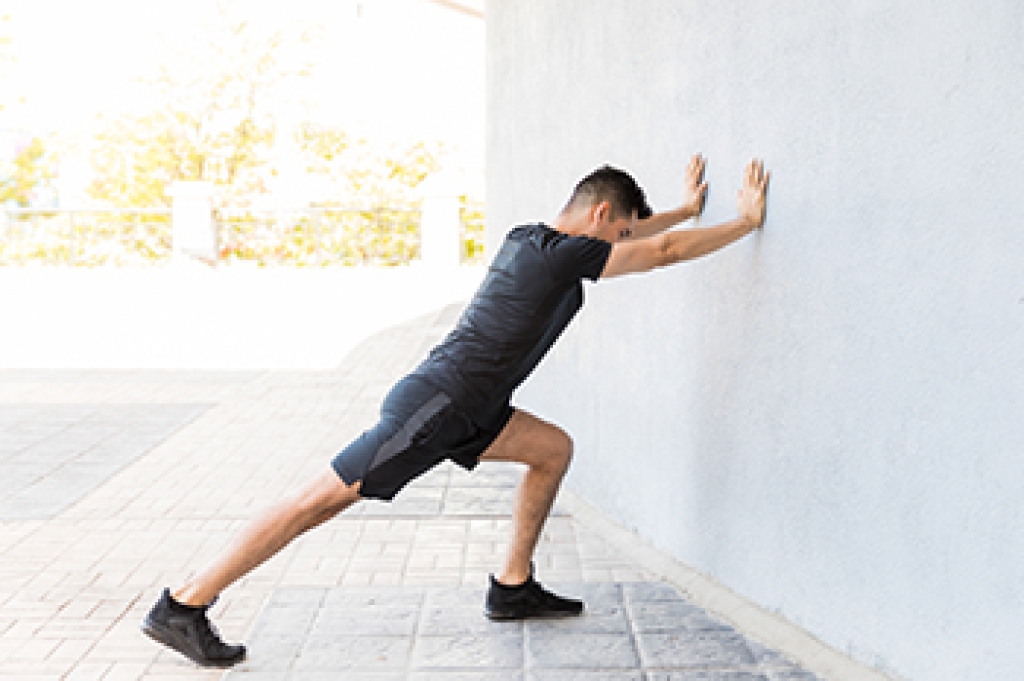
An Achilles tendon stretch focuses on the calf and Achilles tendon, which connect the calf muscles to the heel. Tightness can increase stress through the foot during walking. A simple stretch involves standing near a wall with one leg behind the other, and keeping the back heel down while bending the front knee. A podiatrist may examine the feet, assess walking patterns, and identify contributing factors. Treatment may include stretching, activity changes, and other conservative care.


Consistency can support recovery from plantar fasciitis. Stretching should feel gentle rather than painful, and activities that sharply increase heel pain should be reduced. A podiatrist can monitor progress and adjust treatment when needed. Persistent heel pain should not be ignored because other conditions can cause similar symptoms. If you have plantar fasciitis or consistent heel pain, it is suggested that you consult a podiatrist for effective relief and treatment solutions, which may include additional stretches for the plantar fascia.

Stretching the feet is a great way to prevent injuries. If you have any concerns with your feet consult with one of our podiatrists from Montgomery Foot Care Specialists. our doctors will assess your condition and provide you with quality foot and ankle treatment.

Stretching the Feet

Stretching the muscles in the foot is an important part in any physical activity. Feet that are tight can lead to less flexibility and make you more prone to injury. One of the most common forms of foot pain, plantar fasciitis, can be stretched out to help ease the pain. Stretching can not only ease pain from plantar fasciitis but also prevent it as well. However, it is important to see a podiatrist first if stretching is right for you. Podiatrists can also recommend other ways to stretch your feet. Once you know whether stretching is right for you, here are some excellent stretches you can do.

  • Using a foam roller or any cylindrical object (a water bottle or soda can will do), roll the object under your foot back and forth. You should also exert pressure on the object. Be sure to do this to both feet for a minute. Do this exercise three times each.
  • Similar to the previous one, take a ball, such as a tennis ball, and roll it under your foot while seated and exert pressure on it.
  • Grab a resistance band or towel and take a seat. If you are using a towel, fold it length wise. Next put either one between the ball of your foot and heel and pull with both hands on each side towards you. Hold this for 15 seconds and then switch feet. Do this three times for each foot.
  • Finally hold your big toe while crossing one leg over the other. Pull the toe towards you and hold for 15 seconds. Once again do this three times per foot.

It is best to go easy when first stretching your foot and work your way up. If your foot starts hurting, stop exercising and ice and rest the foot. It is advised to then see a podiatrist for help.

If you have any questions please contact our office located in Montgomery, AL . We offer the newest diagnostic and treatment technologies for all your foot and ankle needs.

Read more about Stretching Your Feet

Why Your Joints Hurt When You Move

Arthritis in the feet can make each step painful and limit daily movement. Osteoarthritis is a long-term joint condition that affects the entire joint and the tissues around it. In the foot, damaged joints can become painful, swollen, and stiff. Movement may become harder as symptoms progress. Reduced movement can also weaken nearby muscles and make physical activities more difficult. Although osteoarthritis is more frequent in older adults, it is not an unavoidable part of aging. Younger people can also develop it, especially after a joint injury or repeated stress.

Several factors can increase the risk of osteoarthritis. Previous joint injuries, repeated stress, and excess body weight can contribute to the condition. Genetics and age can also play a role. Symptoms can begin slowly, although they can appear more quickly after an injury or strain. Foot arthritis can affect mobility because the feet carry body weight and help the body move forward with every step. Pain and stiffness can make work or social activities harder. Some patients also experience discomfort while resting when osteoarthritis becomes severe.

A podiatrist can evaluate painful foot joints and determine how arthritis is affecting movement and function. An examination can assess swelling, joint motion, and areas of tenderness. Treatment can focus on reducing pressure on painful joints and supporting better mobility. A podiatrist can recommend braces or other supportive devices when appropriate. Care can also include guided exercises to strengthen muscles and maintain joint movement. If you have symptoms of arthritic foot pain, it is suggested that you schedule an appointment with a podiatrist for diagnosis and treatment.

Arthritis can be a difficult condition to live with. If you are seeking treatment, contact one of our podiatrists from Montgomery Foot Care Specialists. our doctors can provide the care you need to keep you pain-free and on your feet.

Arthritic Foot Care  

Arthritis is a term that is commonly used to describe joint pain.  The condition itself can occur to anyone of any age, race, or gender, and there are over 100 types of it.  Nevertheless, arthritis is more commonly found in women compared to men, and it is also more prevalent in those who are overweight. The causes of arthritis vary depending on which type of arthritis you have. Osteoarthritis for example, is often caused by injury, while rheumatoid arthritis is caused by a misdirected immune system.

Symptoms

  • Swelling
  • Pain
  • Stiffness
  • Decreased Range of Motion

Arthritic symptoms range in severity, and they may come and go. Some symptoms stay the same for several years but could potentially get worse with time. Severe cases of arthritis can prevent its sufferers from performing daily activities and make walking difficult.

Risk Factors

  • Occupation – Occupations requiring repetitive knee movements have been linked to osteoarthritis
  • Obesity – Excess weight can contribute to osteoarthritis development
  • Infection – Microbial agents can infect the joints and trigger arthritis
  • Joint Injuries – Damage to joints may lead to osteoarthritis
  • Age – Risk increases with age
  • Gender –Most types are more common in women
  • Genetics – Arthritis can be hereditary

If you suspect your arthritis is affecting your feet, it is crucial that you see a podiatrist immediately. Your doctor will be able to address your specific case and help you decide which treatment method is best for you.

If you have any questions please feel free to contact our office located in Montgomery, AL . We offer the newest diagnostic tools and technology to treat your foot and ankle needs.

Read more about How to Care for Your Arthritic Foot

We Can Treat Your Foot or Ankle Pain

Foot or ankle pain can negatively affect your day-to-day life and can occur due to several different conditions. Pain can also be an indicator of a more serious underlying condition, which is why you should seek professional help as soon as you notice any abnormalities in your feet.

Connect With Us

scroll to top