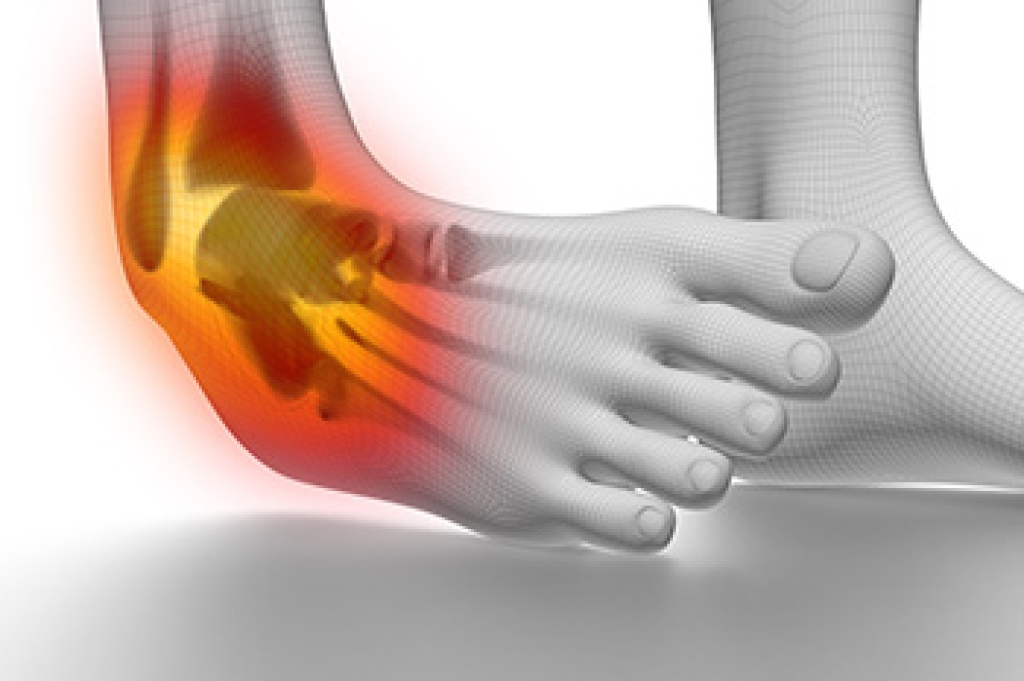
Benefits of Stretching Toes and Feet

Many people do not realize how much flexibility in the toes influences balance, posture, and the way the feet move throughout the day. When the toes become stiff or the arch muscles are underused, walking and running can feel less stable and can even lead to discomfort in the feet, calves, and ankles. A helpful stretch involves using your hands to guide the toes into a gentle bending motion at the base joints, encouraging them to lengthen and lift in the correct places. Placing your fingers under the sole and your thumbs on top of the toes allows you to support the foot while easing the toes downward and away from the body. Holding the stretch for several deep breaths helps awaken the small muscles that support the arch and improves overall mobility. Practicing this regularly can promote stronger movement patterns and more comfortable steps. If you have foot or toe pain, it is suggested that you see a podiatrist for treatment, which may include additional stretches.

Stretching the feet is a great way to prevent injuries. If you have any concerns with your feet consult with one of our podiatrists from Montgomery Foot Care Specialists. our doctors will assess your condition and provide you with quality foot and ankle treatment.

Stretching the Feet

Being the backbone of the body, the feet carry your entire weight and can easily become overexerted, causing cramps and pain. As with any body part, stretching your feet can serve many benefits. From increasing flexibility to even providing some pain relief, be sure to give your feet a stretch from time to time. This is especially important for athletes or anyone performing aerobic exercises, but anyone experiencing foot pain or is on their feet constantly should also engage in this practice.

Great ways to stretch your feet:

  • Crossing one leg over the others and carefully pull your toes back. Do 10-20 repetitions and repeat the process for each foot
  • Face a wall with your arms out and hands flat against the wall. Step back with one foot and keep it flat on the floor while moving the other leg forward. Lean towards the wall until you feel a stretch. Hold for 30 seconds and perform 10 repetitions for each foot
  • Be sure not to overextend or push your limbs too hard or you could risk pulling or straining your muscle

Individuals who tend to their feet by regular stretching every day should be able to minimize foot pain and prevent new problems from arising.

If you have any questions please contact our office located in Montgomery, AL . We offer the newest diagnostic and treatment technologies for all your foot and ankle needs.

Read more about How to Stretch Your Feet

Early Signs That an Ingrown Toenail Needs Attention

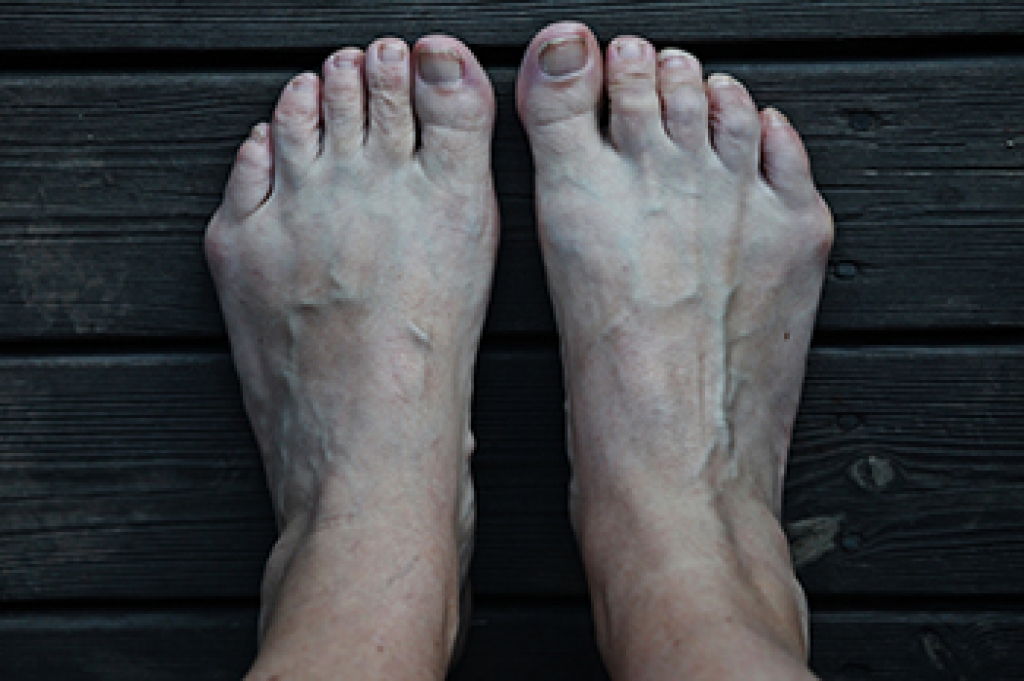
An ingrown toenail often begins with subtle changes that become more uncomfortable over time. Tenderness along one side of the nail may be the first clue, especially if the skin feels sore when pressed or rubbed by a sock or shoe. Redness, swelling, and warmth can follow as the nail edge begins to press into the surrounding skin. Some people notice a feeling of pressure or a small area of firm, irritated tissue that develops near the corner of the nail. Clear or yellow drainage may appear if the skin becomes inflamed. Pain that increases while walking or wearing closed shoes is another sign the problem is progressing. Paying attention to these early changes helps prevent deeper infection and protects overall foot health. If you have persistent pain, swelling, or drainage with an ingrown toenail, it is suggested that you see a podiatrist for effective treatment solutions.

Ingrown toenails can become painful if they are not treated properly. For more information about ingrown toenails, contact one of our podiatrists of Montgomery Foot Care Specialists. our doctors can provide the care you need to keep you pain-free and on your feet.

Ingrown Toenails

Ingrown toenails occur when a toenail grows sideways into the bed of the nail, causing pain, swelling, and possibly infection.

Causes

  • Bacterial infections
  • Improper nail cutting such as cutting it too short or not straight across
  • Trauma to the toe, such as stubbing, which causes the nail to grow back irregularly
  • Ill-fitting shoes that bunch the toes too close together
  • Genetic predisposition

Prevention

Because ingrown toenails are not something found outside of shoe-wearing cultures, going barefoot as often as possible will decrease the likeliness of developing ingrown toenails. Wearing proper fitting shoes and using proper cutting techniques will also help decrease your risk of developing ingrown toenails.

Treatment

Ingrown toenails are a very treatable foot condition. In minor cases, soaking the affected area in salt or antibacterial soaps will not only help with the ingrown nail itself, but also help prevent any infections from occurring. In more severe cases, surgery is an option. In either case, speaking to your podiatrist about this condition will help you get a better understanding of specific treatment options that are right for you.

If you have any questions, please feel free to contact our office located in Montgomery, AL . We offer the newest diagnostic and treatment technologies for all your foot care needs.

Read more about Ingrown Toenails

Heel Pain From Plantar Fasciitis

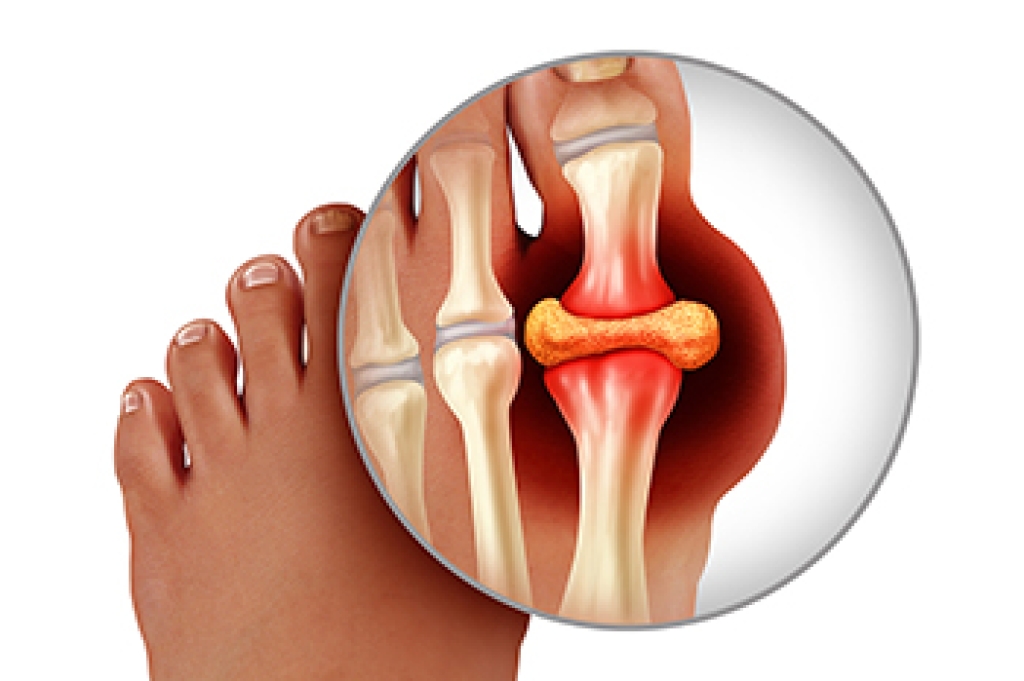
Plantar fasciitis is a common cause of heel pain that occurs when the thick band of tissue connecting the heel to the toes becomes inflamed. This is often due to overuse, improper footwear, obesity, or high-impact activities, such as running or jumping. The heel may look normal from the outside, but it can be tender to the touch and feel swollen in severe cases. Many individuals describe a sharp, stabbing pain with the first steps in the morning or after prolonged sitting, which can ease slightly with activity but worsen later in the day. Plantar fasciitis affects nearly 10 percent of the population at some point in their lives, making it one of the most common foot disorders. A podiatrist can diagnose the condition through a physical examination and gait analysis. Treatment may include stretching exercises, orthotics, supportive footwear, anti-inflammatory therapies, or advanced interventions for chronic cases. Early professional care helps reduce pain and prevent long-term complications. If you experience persistent heel discomfort, it is suggested that you make an appointment with a podiatrist.

Plantar fasciitis is a common foot condition that is often caused by a strain injury. If you are experiencing heel pain or symptoms of plantar fasciitis, contact one of our podiatrists from Montgomery Foot Care Specialists. our doctors can provide the care you need to keep you pain-free and on your feet.

What Is Plantar Fasciitis?

Plantar fasciitis is one of the most common causes of heel pain. The plantar fascia is a ligament that connects your heel to the front of your foot. When this ligament becomes inflamed, plantar fasciitis is the result. If you have plantar fasciitis you will have a stabbing pain that usually occurs with your first steps in the morning. As the day progresses and you walk around more, this pain will start to disappear, but it will return after long periods of standing or sitting.

What Causes Plantar Fasciitis?

  • Excessive running
  • Having high arches in your feet
  • Other foot issues such as flat feet
  • Pregnancy (due to the sudden weight gain)
  • Being on your feet very often

There are some risk factors that may make you more likely to develop plantar fasciitis compared to others. The condition most commonly affects adults between the ages of 40 and 60. It also tends to affect people who are obese because the extra pounds result in extra stress being placed on the plantar fascia.

Prevention

  • Take good care of your feet – Wear shoes that have good arch support and heel cushioning.
  • Maintain a healthy weight
  • If you are a runner, alternate running with other sports that won’t cause heel pain

There are a variety of treatment options available for plantar fasciitis along with the pain that accompanies it. Additionally, physical therapy is a very important component in the treatment process. It is important that you meet with your podiatrist to determine which treatment option is best for you.

If you have any questions, please feel free to contact our office located in Montgomery, AL . We offer the newest diagnostic and treatment technologies for all your foot care needs.
 

Read more about Plantar Fasciitis

Are Bunions Affecting Your Everyday Life?

Have you noticed a bony protrusion on the side of your big toe? If so, you may have developed the foot condition known as a bunion. Don't let bunions interfere with your daily activities.

Causes of Foot Cramps

Foot cramps are sudden, involuntary contractions of the muscles in the foot that can cause sharp pain and discomfort. They often occur due to wearing tight or poorly fitting shoes, dehydration, overexertion during physical activity, or low levels of essential minerals such as potassium, calcium, or magnesium. Symptoms include a sudden tightening or knotting of the foot muscles, stiffness, and difficulty moving the affected area. Frequent cramps may indicate underlying issues with circulation, nerve function, or muscle balance. A podiatrist can evaluate the cause of foot cramps, recommend stretching and strengthening exercises, suggest proper footwear, and provide guidance on nutrition and hydration to reduce occurrences. If you have developed foot cramps, it is suggested that you schedule an appointment with a podiatrist to relieve pain and maintain healthy, comfortable feet.

Foot Pain

Foot pain can be extremely painful and debilitating. If you have a foot pain, consult with one of our podiatrists from Montgomery Foot Care Specialists. our doctors will assess your condition and provide you with quality foot and ankle treatment.

Causes

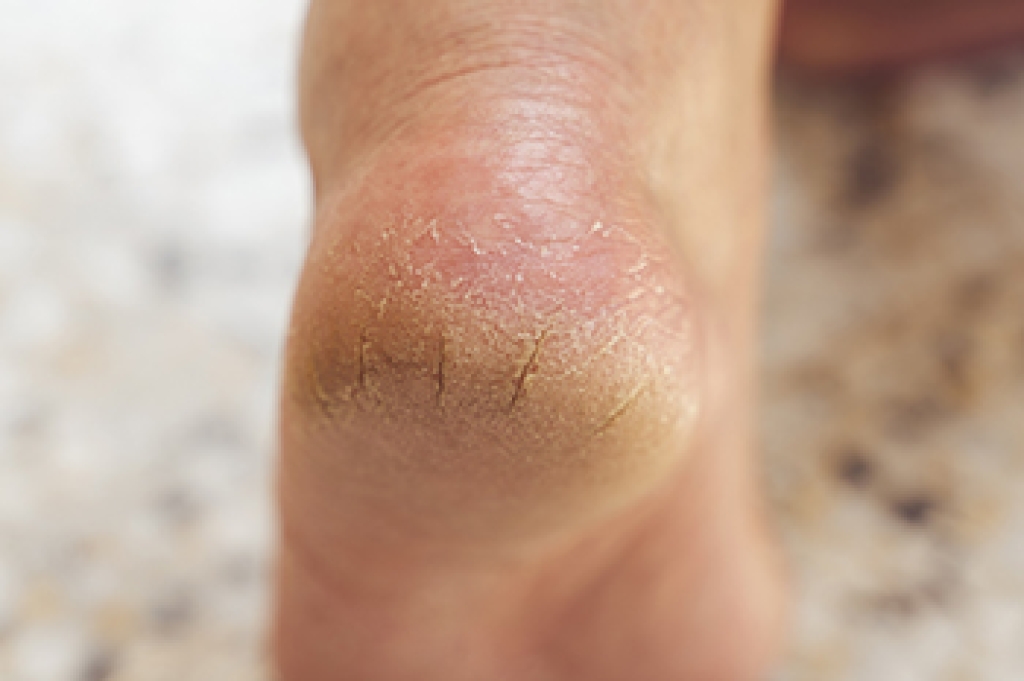
Foot pain is a very broad condition that could be caused by one or more ailments. The most common include:

  • Bunions
  • Hammertoes
  • Plantar Fasciitis
  • Bone Spurs
  • Corns
  • Tarsal Tunnel Syndrome
  • Ingrown Toenails
  • Arthritis (such as Gout, Rheumatoid, and Osteoarthritis)
  • Flat Feet
  • Injury (from stress fractures, broken toe, foot, ankle, Achilles tendon ruptures, and sprains)
  • And more

Diagnosis

To figure out the cause of foot pain, podiatrists utilize several different methods. This can range from simple visual inspections and sensation tests to X-rays and MRI scans. Prior medical history, family medical history, and any recent physical traumatic events will all be taken into consideration for a proper diagnosis.

Treatment

Treatment depends upon the cause of the foot pain. Whether it is resting, staying off the foot, or having surgery; podiatrists have a number of treatment options available for foot pain.

If you have any questions, please feel free to contact our office located in Montgomery, AL . We offer the newest diagnostic and treatment technologies for all your foot care needs.
Read more about Foot Pain

Connect With Us

scroll to top