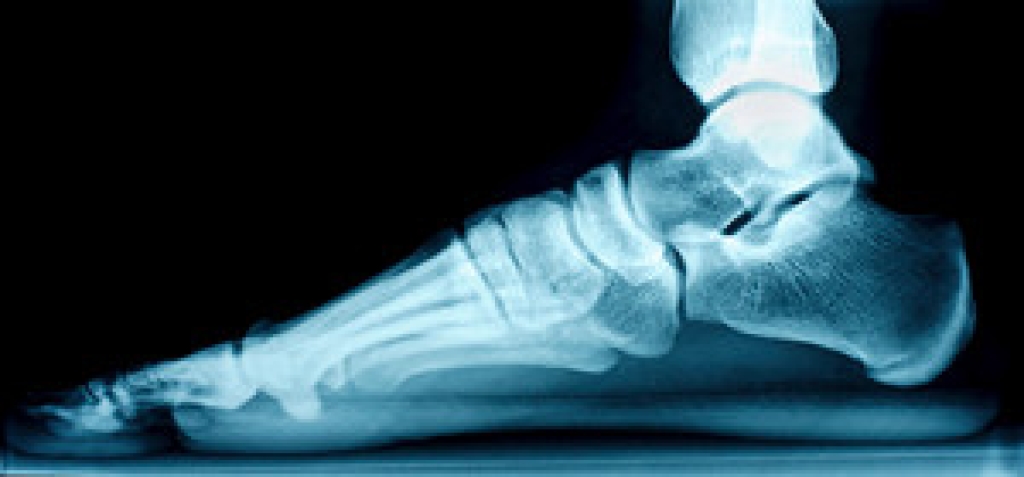
Painful Flat Feet

Flat feet, or pes planus, is a condition where the arches of the feet collapse, causing the entire sole to make contact with the ground. While some individuals with flat feet experience no symptoms, others may face a range of issues. Included are foot pain, overpronation, and discomfort in the ankles, knees, hips, and lower back due to improper alignment and weight distribution. Flat feet can lead to fatigue and difficulty in standing or walking for extended periods. To manage flat feet, wearing supportive shoes with strong arch support and cushioning is essential. Custom orthotics can provide personalized support, alleviating pressure and improving alignment. Regular stretching and strengthening exercises for the feet and calves can enhance flexibility and stability. If you have painful flat feet and discomfort persists, it is suggested that you consult a podiatrist.

Flatfoot is a condition many people suffer from. If you have flat feet, contact one of our podiatrists from Montgomery Foot Care Specialists. our doctors will treat your foot and ankle needs.

What Are Flat Feet?

Flatfoot is a condition in which the arch of the foot is depressed and the sole of the foot is almost completely in contact with the ground. About 20-30% of the population generally has flat feet because their arches never formed during growth.

Conditions & Problems:

Having flat feet makes it difficult to run or walk because of the stress placed on the ankles.

Alignment – The general alignment of your legs can be disrupted, because the ankles move inward which can cause major discomfort.

Knees – If you have complications with your knees, flat feet can be a contributor to arthritis in that area.  

Symptoms

  • Pain around the heel or arch area
  • Trouble standing on the tip toe
  • Swelling around the inside of the ankle
  • Flat look to one or both feet
  • Having your shoes feel uneven when worn

Treatment

If you are experiencing pain and stress on the foot you may weaken the posterior tibial tendon, which runs around the inside of the ankle. 

If you have any questions, please feel free to contact our office located in Montgomery, AL . We offer the newest diagnostic and treatment technologies for all your foot care needs.


Read more about Flat Feet

We Can Treat Your Foot or Ankle Pain

Foot or ankle pain can negatively affect your day-to-day life and can occur due to several different conditions. Pain can also be an indicator of a more serious underlying condition, which is why you should seek professional help as soon as you notice any abnormalities in your feet.

A Step-by-Step Approach for Foot Wound Care

Caring for foot wounds involves a systematic approach to promote healing and prevent complications. Start by cleaning the wound gently with mild soap and lukewarm water, avoiding harsh scrubbing to prevent further damage. Rinse thoroughly and pat dry with a clean, soft cloth. Apply an antibiotic ointment to protect against infection and cover the wound with a sterile dressing or bandage. Change dressings daily or as instructed by a podiatrist to keep the wound clean and monitor healing progress. Elevate the injured foot when possible to reduce swelling and improve blood flow. Avoid putting weight on the wound and wear appropriate footwear to minimize pressure and friction. Additionally, regularly inspect the wound for signs of infection such as increased pain, redness, or pus, and seek prompt medical attention from a podiatrist if these symptoms occur. If you have developed a wound on your foot, it is strongly suggested that you schedule an appointment with this type of doctor.

Wound care is an important part in dealing with diabetes. If you have diabetes and a foot wound or would like more information about wound care for diabetics, consult with one of our podiatrists from Montgomery Foot Care Specialists. our doctors will assess your condition and provide you with quality foot and ankle treatment.

What Is Wound Care?

Wound care is the practice of taking proper care of a wound. This can range from the smallest to the largest of wounds. While everyone can benefit from proper wound care, it is much more important for diabetics. Diabetics often suffer from poor blood circulation which causes wounds to heal much slower than they would in a non-diabetic. 

What Is the Importance of Wound Care?

While it may not seem apparent with small ulcers on the foot, for diabetics, any size ulcer can become infected. Diabetics often also suffer from neuropathy, or nerve loss. This means they might not even feel when they have an ulcer on their foot. If the wound becomes severely infected, amputation may be necessary. Therefore, it is of the upmost importance to properly care for any and all foot wounds.

How to Care for Wounds

The best way to care for foot wounds is to prevent them. For diabetics, this means daily inspections of the feet for any signs of abnormalities or ulcers. It is also recommended to see a podiatrist several times a year for a foot inspection. If you do have an ulcer, run the wound under water to clear dirt from the wound; then apply antibiotic ointment to the wound and cover with a bandage. Bandages should be changed daily and keeping pressure off the wound is smart. It is advised to see a podiatrist, who can keep an eye on it.

If you have any questions please contact our office located in Montgomery, AL . We offer the newest diagnostic and treatment technologies for all your foot and ankle needs.

Read more about Wound Care

Understanding Ankle Arthritis

Ankle arthritis can significantly impact daily life, causing pain, stiffness, and swelling surrounding the ankle joint. Symptoms often worsen with activity and can limit mobility. Individuals may notice a reduced range of motion and find it difficult to walk or climb stairs without discomfort. Lifestyle modifications, such as maintaining a healthy weight and choosing appropriate footwear, can help manage symptoms. For more severe cases, surgical interventions like ankle fusion or ankle replacement may be help restore function and reduce pain. Podiatrists can provide a tailored treatment plan to manage symptoms effectively and enhance your overall mobility and comfort. If you are experiencing persistent ankle pain or suspect arthritis, it is suggested you schedule an appointment with a podiatrist.

Ankle pain can have many different causes and the pain may potentially be serious. If you have ankle pain, consult with one of our podiatrists from Montgomery Foot Care Specialists. our doctors will assess your condition and provide you with quality foot and ankle treatment.

Ankle pain is any condition that causes pain in the ankle. Due to the fact that the ankle consists of tendons, muscles, bones, and ligaments, ankle pain can come from a number of different conditions.

Causes

The most common causes of ankle pain include:

  • Types of arthritis (rheumatoid, osteoarthritis, and gout)
  • Ankle sprains
  • Broken ankles
  • Achilles tendinitis
  • Achilles tendon rupture
  • Stress fractures
  • Tarsal tunnel syndrome
  • Plantar fasciitis

Symptoms

Symptoms of ankle injury vary based upon the condition. Pain may include general pain and discomfort, swelling, aching, redness, bruising, burning or stabbing sensations, and/or loss of sensation.

Diagnosis

Due to the wide variety of potential causes of ankle pain, podiatrists will utilize a number of different methods to properly diagnose ankle pain. This can include asking for personal and family medical histories and of any recent injuries. Further diagnosis may include sensation tests, a physical examination, and potentially x-rays or other imaging tests.

Treatment

Just as the range of causes varies widely, so do treatments. Some more common treatments are rest, ice packs, keeping pressure off the foot, orthotics and braces, medication for inflammation and pain, and surgery.

If you have any questions please feel free to contact our office located in Montgomery, AL . We offer the newest diagnostic tools and technology to treat your foot and ankle needs.

Read more about Ankle Pain

Causes and Treatment of Plantar Fasciitis

Plantar fasciitis, or inflammation of the plantar fascia, often leads to heel pain. This condition affects approximately 10 percent of the population at some point, with a higher prevalence in women and individuals between 40 and 60 years old. The plantar fascia is a thick band of tissue that runs from the heel to the toes. It supports the foot's arch and absorbs shock. Plantar fasciitis is considered an overuse injury. It is caused by standing for long periods, engaging in high-impact sports, or wearing poorly supportive shoes. These actions can cause microtears in the tissue, resulting in inflammation and pain. Key treatment strategies include resting the feet, avoiding activities that contribute to the pain, and taking pain relievers. Stretching exercises for the calf muscles and plantar fascia, often recommended by a podiatrist, can enhance recovery by improving strength and flexibility. Custom orthotic inserts may also provide additional support and comfort. If you are experiencing heel pain, it is suggested that you schedule an appointment with a podiatrist for an exam and treatment options.

Plantar fasciitis can be very painful and inconvenient. If you are experiencing heel pain or symptoms of plantar fasciitis, contact one of our podiatrists  from Montgomery Foot Care Specialists. our doctors can provide the care you need to keep you pain-free and on your feet.

What Is Plantar Fasciitis?

Plantar fasciitis is the inflammation of the thick band of tissue that runs along the bottom of your foot, known as the plantar fascia, and causes mild to severe heel pain.

What Causes Plantar Fasciitis?

  • Excessive running
  • Non-supportive shoes
  • Overpronation
  • Repeated stretching and tearing of the plantar fascia

How Can It Be Treated?

  • Conservative measures – anti-inflammatories, ice packs, stretching exercises, physical therapy, orthotic devices
  • Shockwave therapy – sound waves are sent to the affected area to facilitate healing and are usually used for chronic cases of plantar fasciitis
  • Surgery – usually only used as a last resort when all else fails. The plantar fascia can be surgically detached from the heel

While very treatable, plantar fasciitis is definitely not something that should be ignored. Especially in severe cases, speaking to your doctor right away is highly recommended to avoid complications and severe heel pain. Your podiatrist can work with you to provide the appropriate treatment options tailored to your condition.

If you have any questions, please feel free to contact our office located in Montgomery, AL . We offer the newest diagnostic and treatment technologies for all your foot care needs.

Read more about Plantar Fasciitis

Connect With Us

scroll to top